Crabbing in Westport
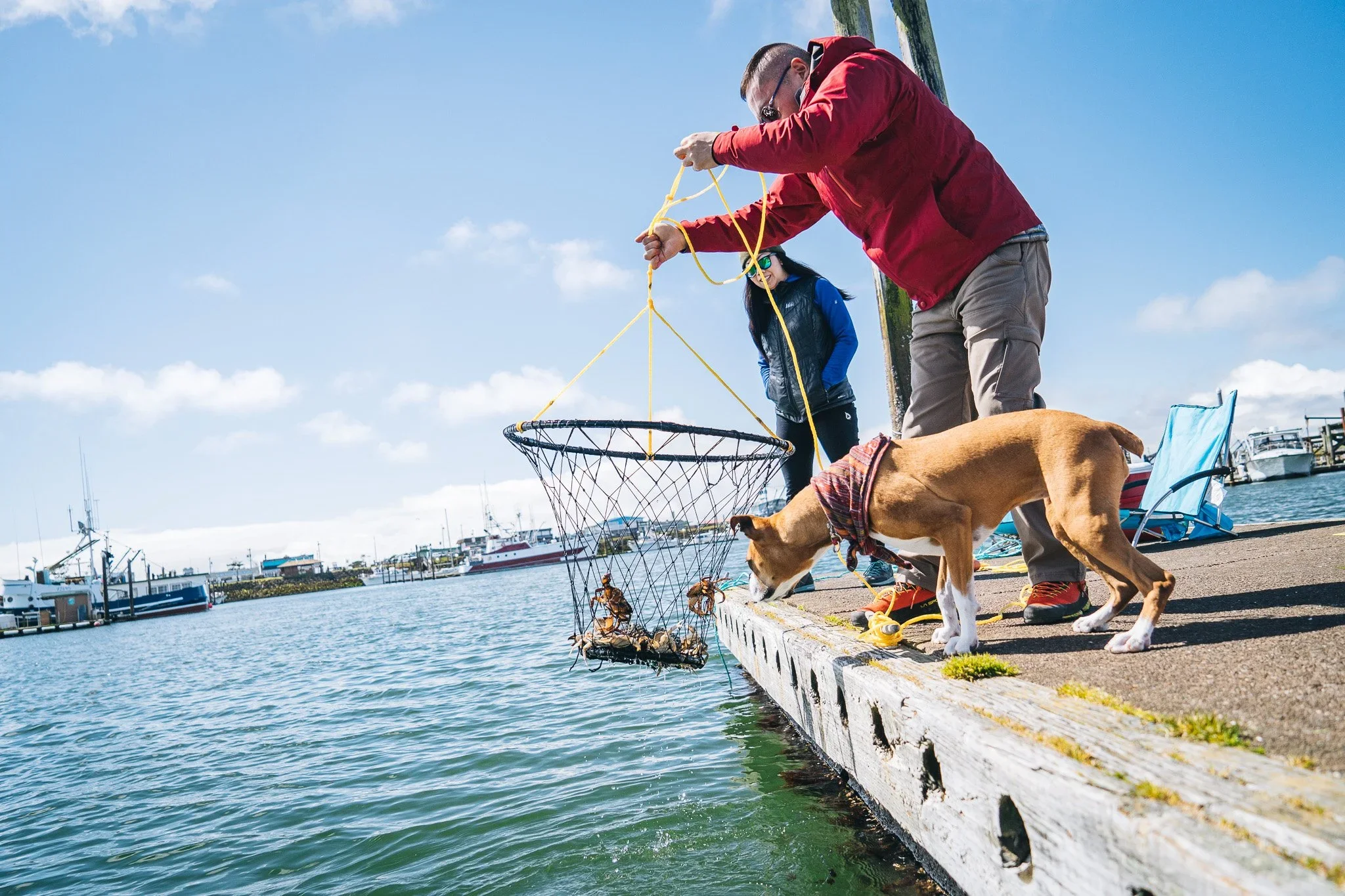
Westport, Washington, is a haven for seafood lovers—from salmon to rockfish to halibut and oysters, it’s one of the largest commercial and sport fishing hubs on the West Coast. Among all these coastal treasures, crabbing stands out as a quintessential Pacific Northwest experience and the backbone of Westport’s seafood industry. From the bustling marinas to scenic beaches, the area offers ample opportunities to catch Dungeness and red rock crabs—two of the most sought-after species.
Whether you’re a seasoned angler or a curious beginner, crabbing in Westport offers a fun, hands-on adventure with the bonus of a delicious, buttery meal at the end!
If you’re just getting started, here’s a primer to get you on your way to your first Westport crabbing adventure.
Crabbing season is at its peak from December to March, but recreational crabbing is open all year with the right equipment. Check the WDFW shellfish regulations.
What you’re catching:
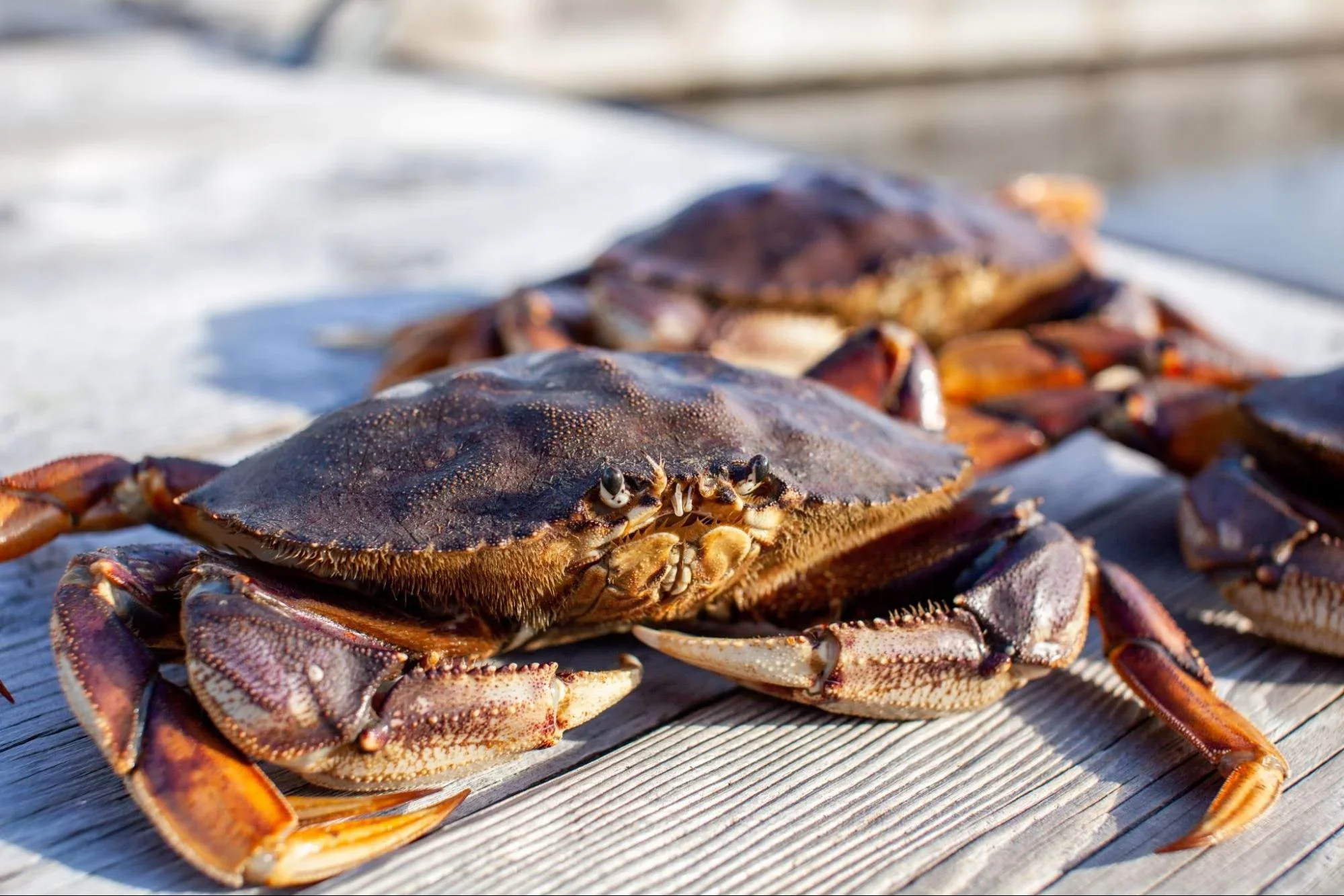
Dungeness Crab
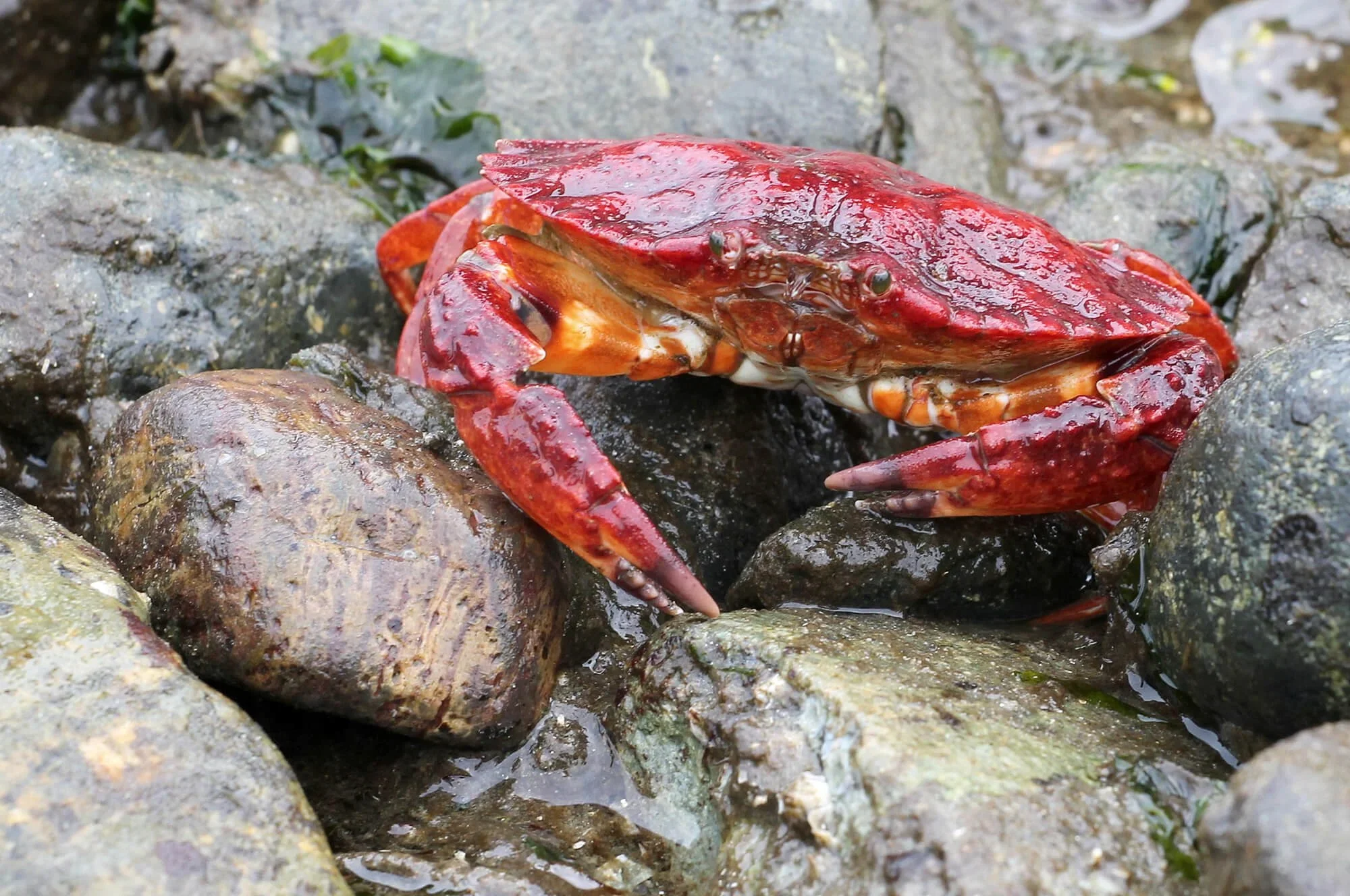
Red Rock Crab
Dungeness crab: Dubbed “The Kings of the North,” Dungeness crab are most easily identified by their purple-hued shells and are known to grow up to 10 inches across and are generally found along sandy or muddy parts of the ocean floor.
Fun fact: It takes about four years for male Dungeness crabs to reach harvest size.
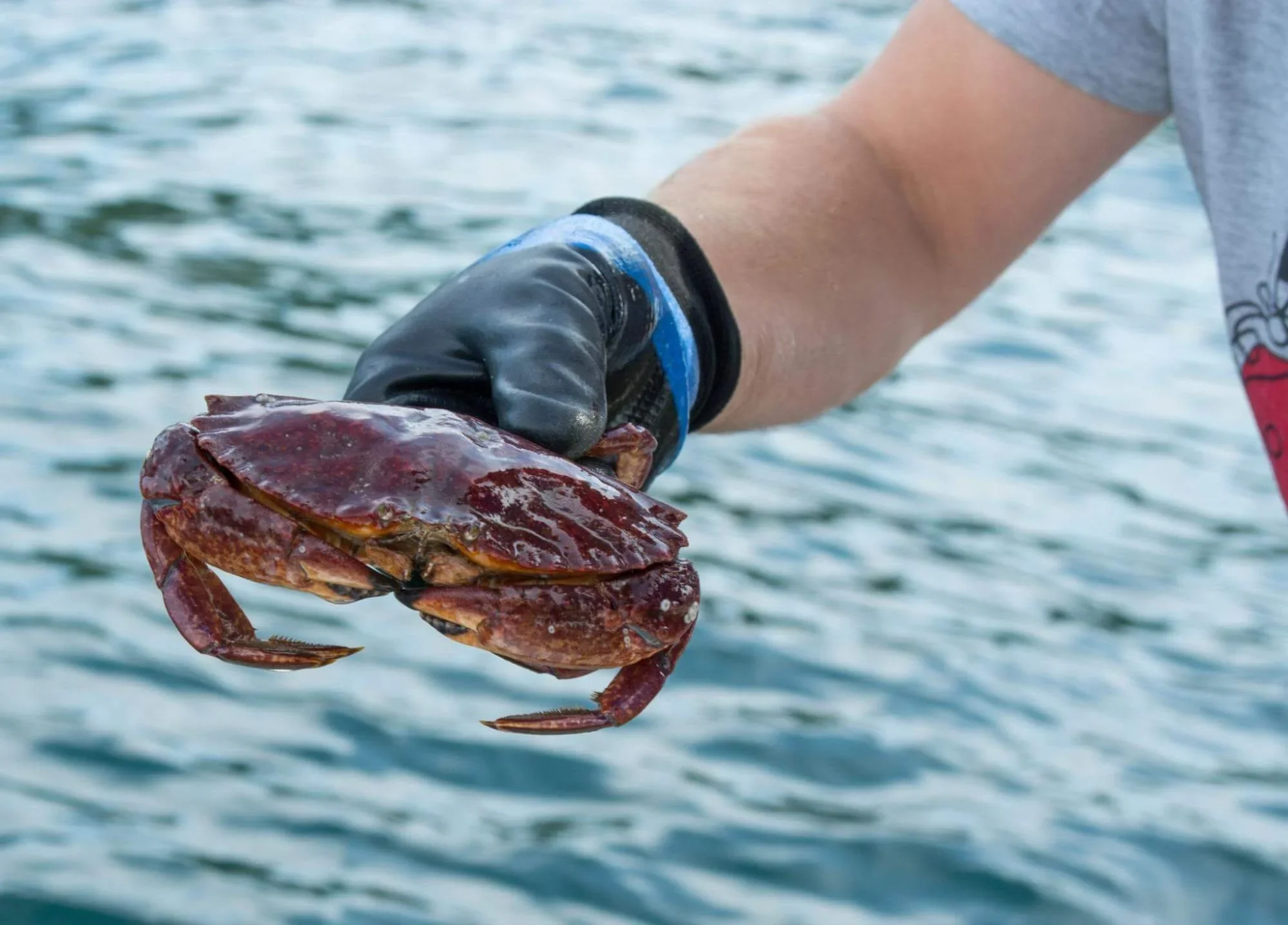
Red Rock Crabs: Known as “The Pearl of the Pacific Northwest,” Red Rock Crabs generally measure less than 6 inches across and have larger claws. While less meaty than their Dungeness counterparts, red rock crab meat is still quite tasty. You can identify them by their red coloration and the black on the tips of their claws.
Gear Up: What You’ll Need
Before heading out, make sure you’re equipped with the right tools:
1. Crab Pots or Rings: These are the primary tools for trapping crabs. (Note: Crab pots can only be used from Dec. 1 through Sept. 15) Crab pots are sturdier and better for extended use, while rings are great for shorter sessions. The easiest way to get into crabbing is by renting a crab pot or rings, which can be found at various spots around town, one of which is The Seafood Connection.
2. Bait: Crabs love fish carcasses, chicken parts, turkey, or squid. The fresher, the better! Fresh bait can be purchased at a variety of places in town.
3. Crab Gauge: To measure your catch and ensure it meets legal size limits. Get your gauge from any crabbing outfitter or purchase one for under $10 online.
License and Catch requirements
You need to purchase either a Combination license or Shellfish/Seaweed license to harvest crab. A combination license is available for 1-3 consecutive days, or annual for the whole season. Shellfish/Seaweed license is only for the whole season.
For Marine Area 2 - Westport/Ocean shores, the daily catch limit is six male hardshell Dungeness crabs that are at least 6” wide, and six hardshell Red Rock Crabs with a 5” minimum of either sex.
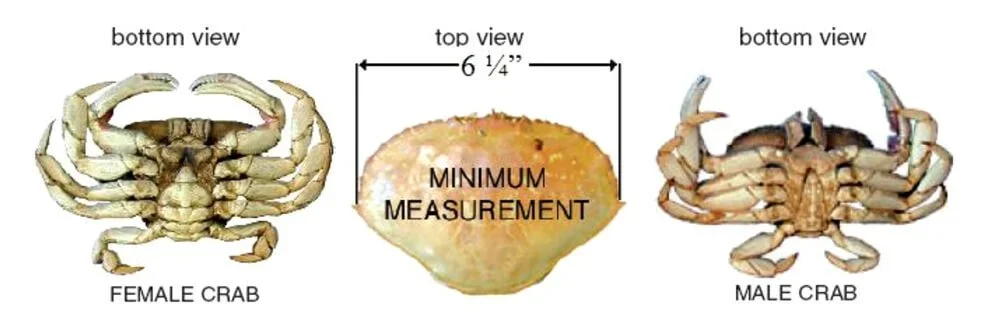
The underside of a female and male Dungeness crab.
NOTE: You can tell the sex of the crabs by looking at their underside. The shape of both the male and female’s abdomen, or apron, is triangular, but the male’s is pointed and narrow while the female’s is more rounded, wider, and located closer to the center of the crab’s underside. Additionally, in many species, male crabs have brightly colored claws, while females’ claws have red tips. Males are often larger than females, but always check the aprons - there are some big girls out there!
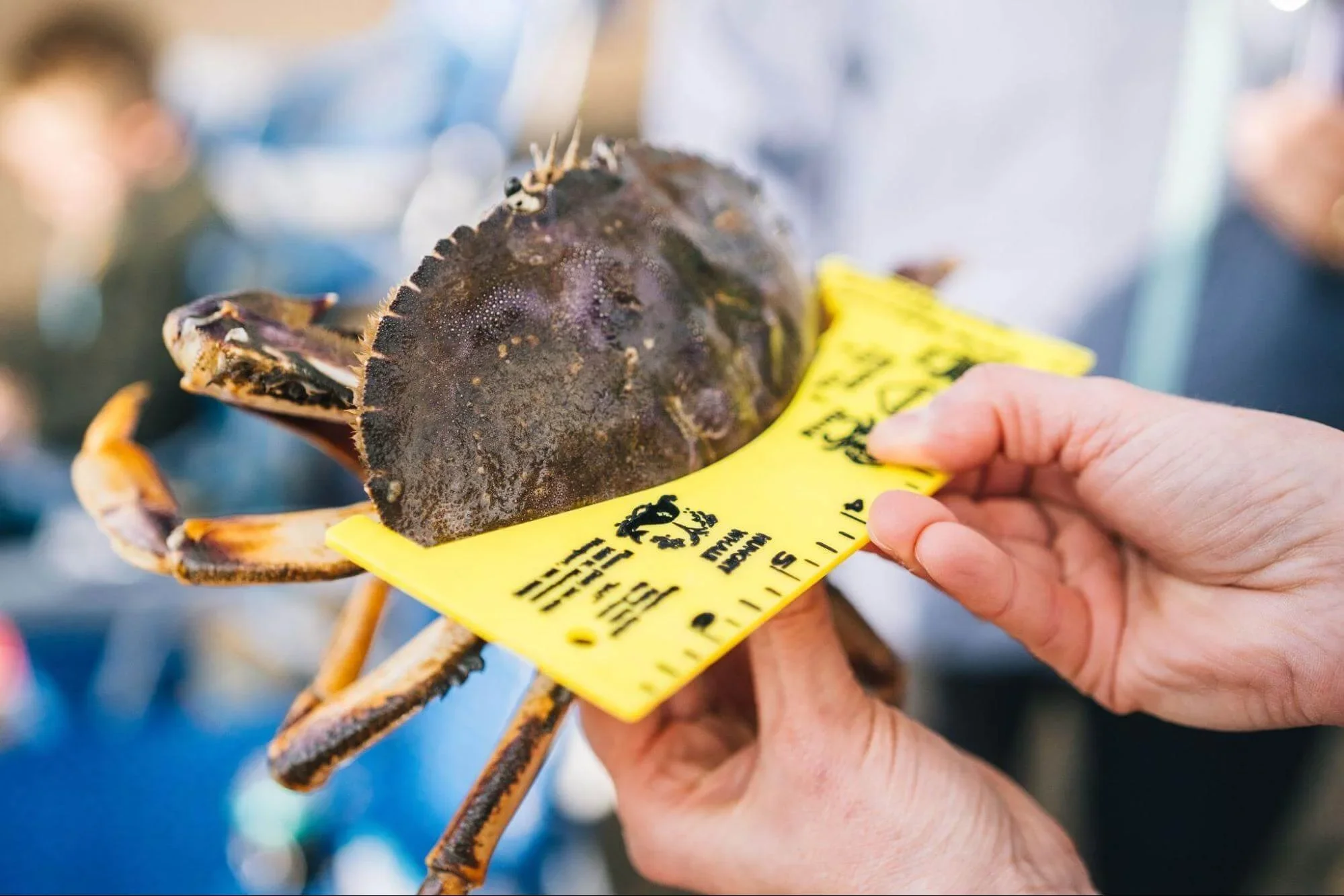
Checking Dungeness legal width
What you need:
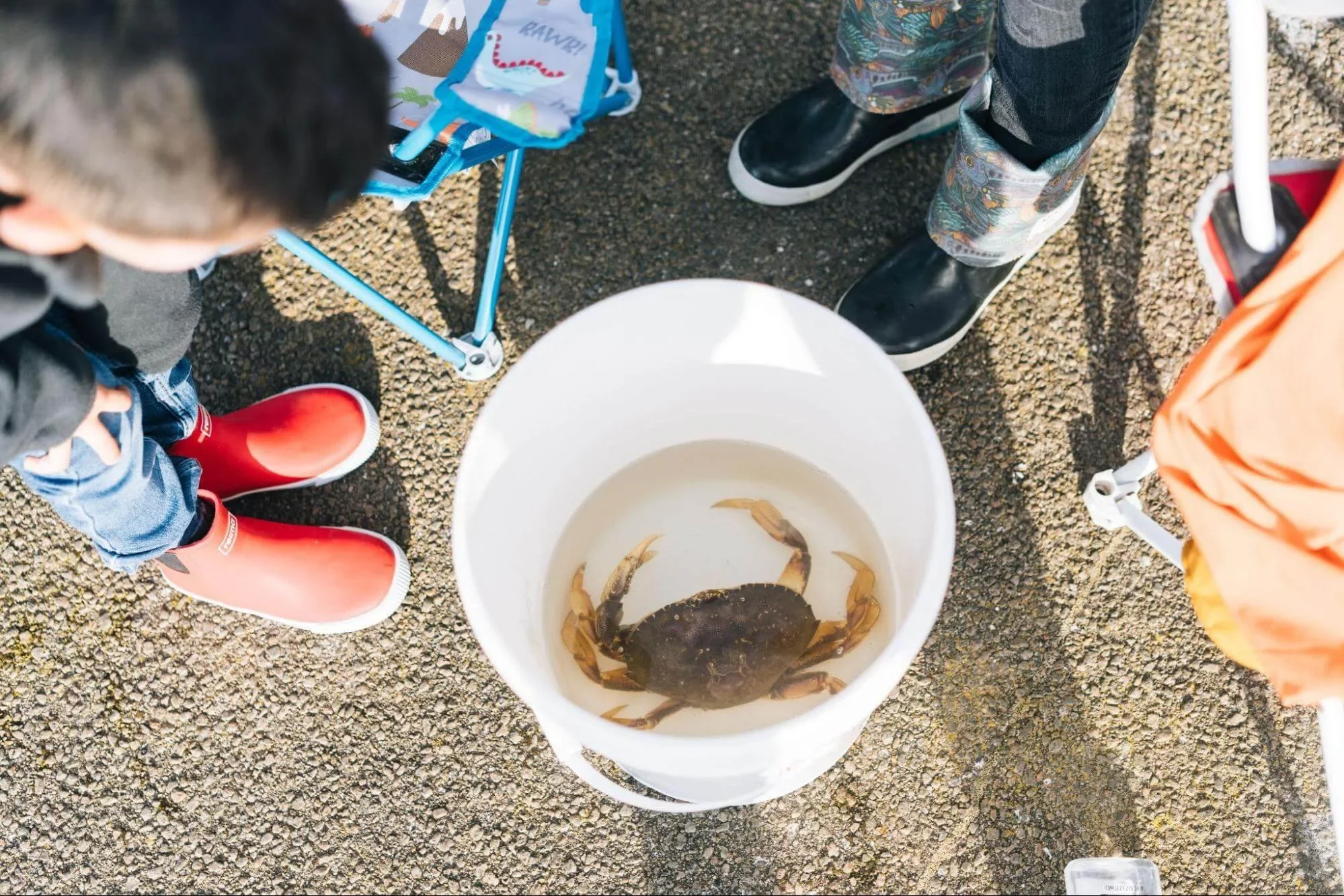
Bucket or Cooler with ice: Keep your crabs fresh and alive until it’s time to cook.
Gloves: great for wet ropes and avoiding pincers!
Fishing License: Washington State requires a shellfish or combination license for crabbing. Be sure to check local regulations for specific limits and requirements.
Shellfish and combination fishing license and are available on WDFW's website or from license vendors around the state.
You can purchase a license at the following locations in Westport:
Grayland True Value Hardware, Inc.
Harbor Resort
Westport Shop'n Kart
Best Crabbing Spots in Westport
• Westport Marina: This is a hotbed for crabbing activity. Drop your pots from the docks if you’re looking for calmer water and a pier.
• Half Moon Bay: Accessible and scenic, this spot is great for both beginners and families.
• North Jetty: Known for its variety of marine life, this area is perfect for adventurous crabbers looking for bigger catches.
Tips for Success
1. Timing is Everything: Crabs are most active during incoming or slack tides. Check tide charts before you go. For pots, allow them to sit for at least an hour before checking them. For rings, 10 minutes (or more) should work.
2. Stay Legal: Follow state guidelines for catch limits, size, and gender restrictions (e.g., only male Dungeness crabs of legal size can be kept).
3. Mark Your Gear: Use a buoy with your contact information to identify your pots.
4. Use the right traps: When crabbing from a jetty, don’t use box- or ring-style traps as they’ll get stuck on the rocks. In that case, use a crab snare or casting traps you can throw by hand.
5. Handle with Care: Crabs can pinch! Hold them by their back legs to avoid injury.
If you are into crab, but not crabbing, Fresh Dungeness crab is available at the Westport Marina and local seafood markets 10 months a year.
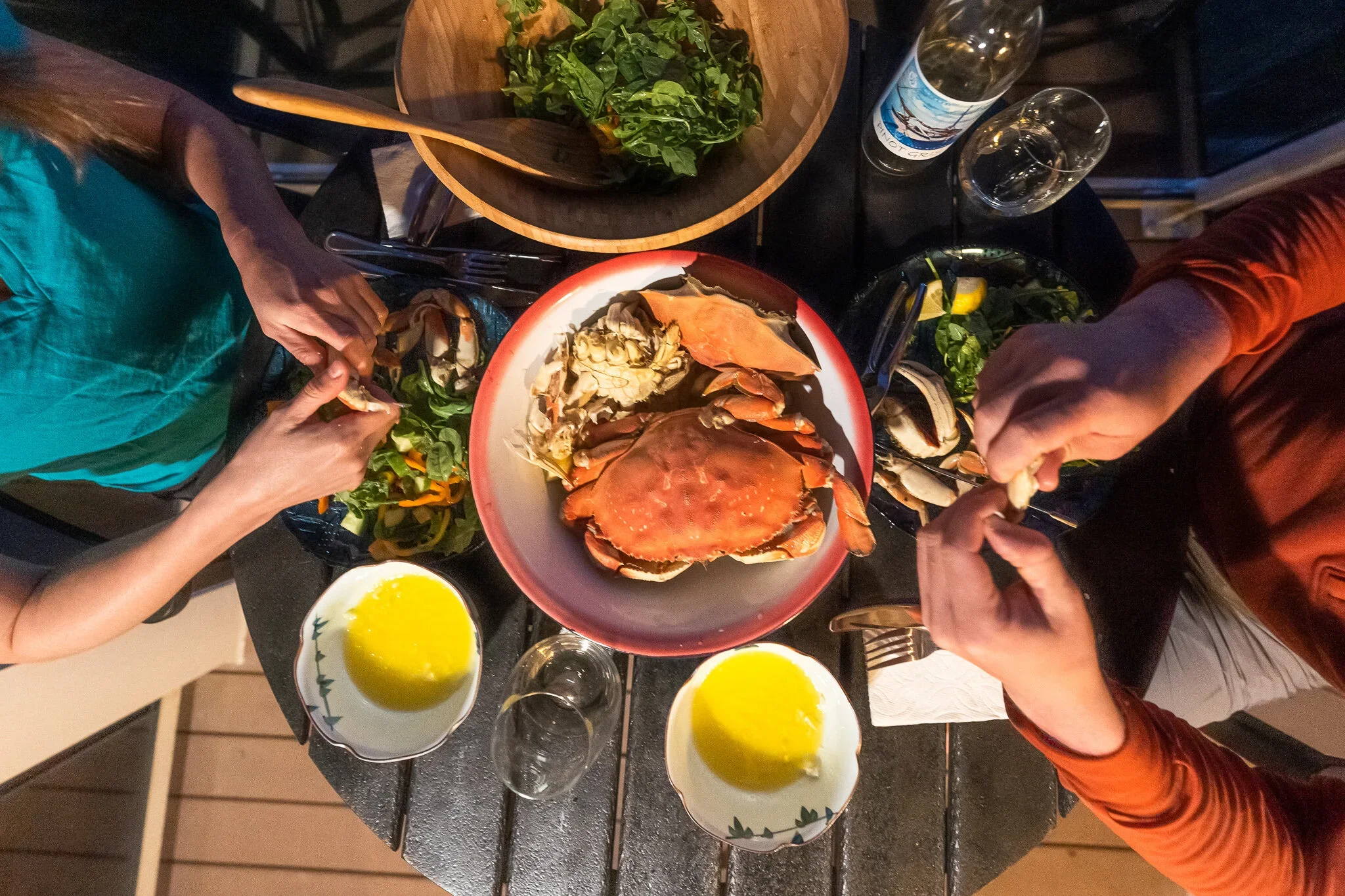
Plan Your Crabbing Adventure in Westport!
Westport isn’t just a destination; it’s an experience. Whether you’re crabbing off the docks or taking in the stunning coastal views, a trip to Westport is something your entire family will enjoy.
So, grab your gear, rally your crew, and head to Westport for a day filled with excitement, fresh air, and delicious seafood, whether you catch and cook it yourself, or leave it to the pros!
Check out our accommodations page and book your Westport Crabbing Adventure today.
See you on the docks!
Love the view?
Book a stay and live it!